
“Still in motion” refers to a line in the poem ‘Forever’ by January Rogers (Mohawk/Tuscarora). This poem speaks to the Two Row Treaty between the Haudenosaunee Confederacy and the Dutch, English, and other newcomer nations. Originally a trade agreement, the Two Row Treaty became the framework for an enduring alliance that was meant to last “as long as the sun shines upon the earth”.
Being “still in motion” is about working to uphold these agreements – to move and strive as part of maintaining balance between Indigenous people and settler Canadians. It also speaks to being at peace with change, embracing dynamism as necessary and beneficial to healthy societies.
Who We Are
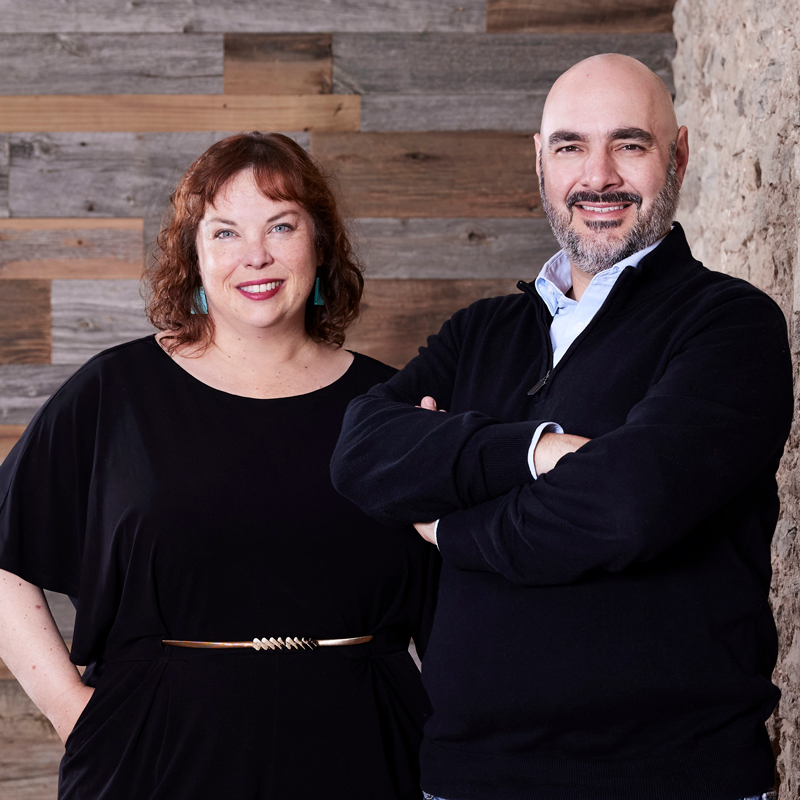
Adam J. Barker and Emma Battell Lowman have over 15 years of training and experience working with government, educational providers, health care organizations, faith communities, and social groups across Canada. They have worked with groups including:
- The National Centre for Truth and Reconciliation
- The Public Health Agency of Canada
- Health Canada
- Durham Community Health Centre
- Delta United Church (Hamilton, ON)
- The Mennonite Church of Canada
- Faculty of Kinesiology & Physical Education, University of Toronto
Emma Battell Lowman

Emma Battell Lowman is an educator and researcher who has published and taught on settler identity and responsibilities for almost two decades. She specialises in taking up the work of teaching and supporting non-indigenous professionals, educators, and organizations to drive confident and sustainable work towards meaningful reconciliation.
Additional areas of expertise include:
- Indigenous-settler histories in Canada
- Program development and project management
- Indigenous ways of knowing and alternative forms of literacy and knowledge production
- Intersectional interventions on gender, sexuality, race, and disability.
Emma is an active researcher and writer, and her published work forms the strong basis for her training and consulting on colonialism, Indigenous resurgence, and decolonization.
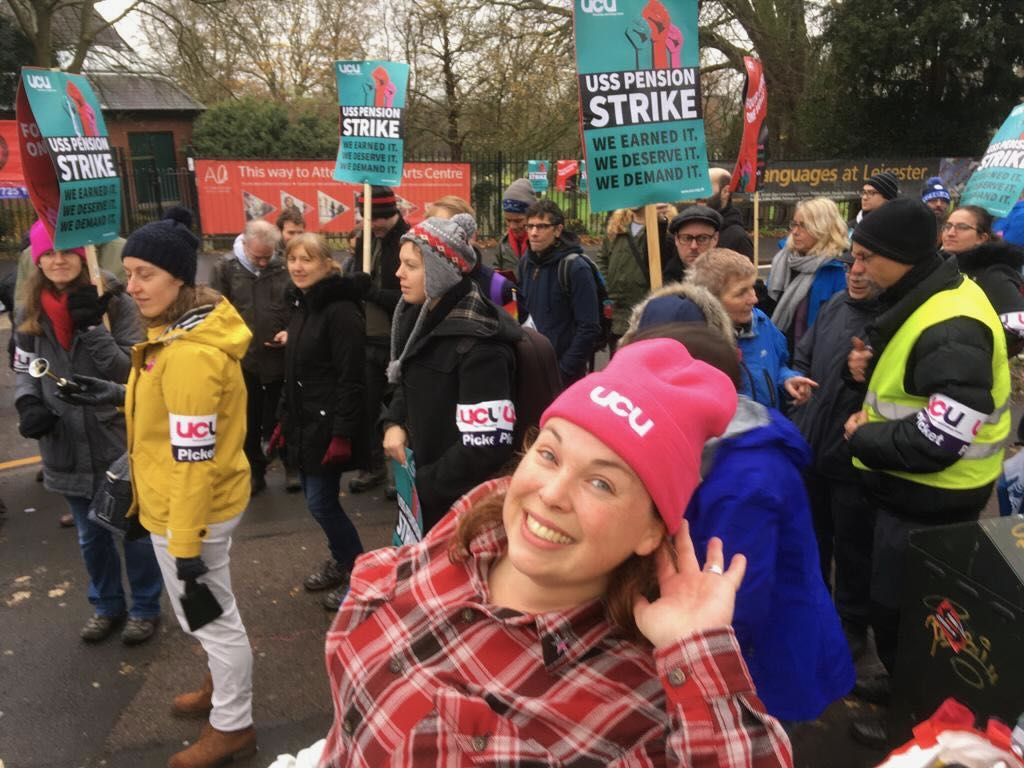
Emma has taught at UK and Canadian universities, played key roles in large and multi-disciplinary reserach projects, and supervised graduate and undergraduate students. She has a successful track record of leadership roles in the largest educational trade union in the world (UK), including as a branch negotiator and co-chair. Elected to the National Executive of the University and College Union (UCU), Emma completed appointments to the Strategy and Finance Committee, and to the Standing Committees on Disabled and Women members.
She is a founding member of the Institute for Commoning, a non-profit educational cooperative that builds strength through active learning on collective practices and community organizing.
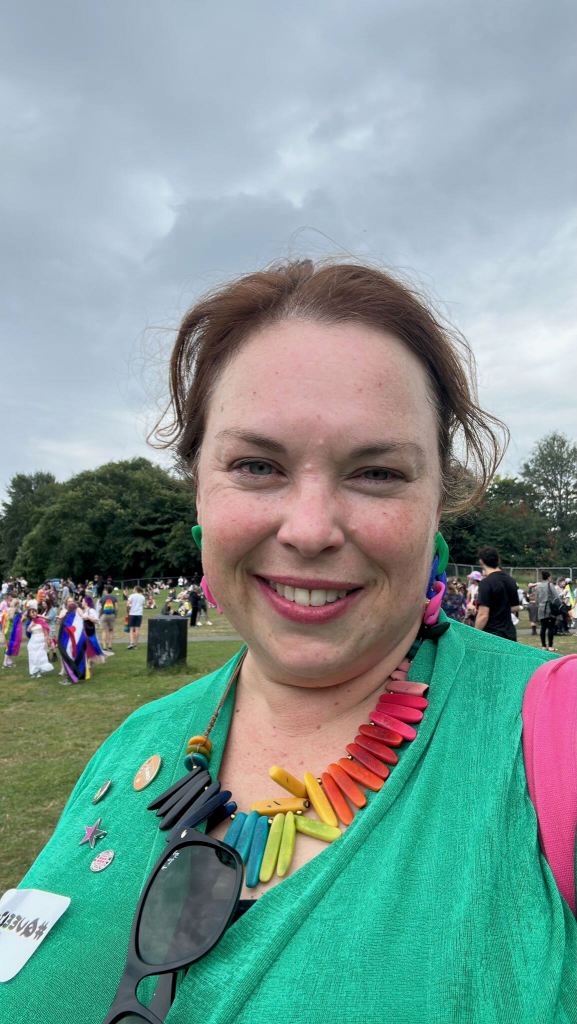
Emma is especially passionate about 2SLGBTQIA+ issues, and was worked as a project manager with Trade Sexual Health, a community-based non-profit in Leicester, UK. She is originally from the Niagara Region and maintains strong connections with the community of Six Nations of the Grand River.
Adam J. Barker

Adam J. Barker began his involvement with Indigenous communities and confronting settler colonialism after being introduced to Indigenous Studies at McMaster University during his undergraduate degree (2003). He went on to achieve an MA in Indigenous Governance from the University of Victoria (2007) and a PhD in Human Geography, focused on settler colonialism and decolonial social change, from the University of Leicester, UK (2013).
He has been published in academic journals including:
- Antipode
- Progress in Human Geography
- Canadian Geographies / Géographies canadiennes
- Social Movement Studies
- The Annals of the American Association of Geographers
- Journal of Geography in Higher Education
- Journal of Colonialism and Colonial History
As well, Adam has authored or co-authored over a dozen peer-reviewed chapters in edited volumes on topics including:
- Indigenous land reclamations and protest camps
- Colonialism in eco-communities
- The impacts of reserve spaces on Indigenous health
- Indigenous people and the Canadian criminal justice system
- 20th century histories of Canadian colonialism
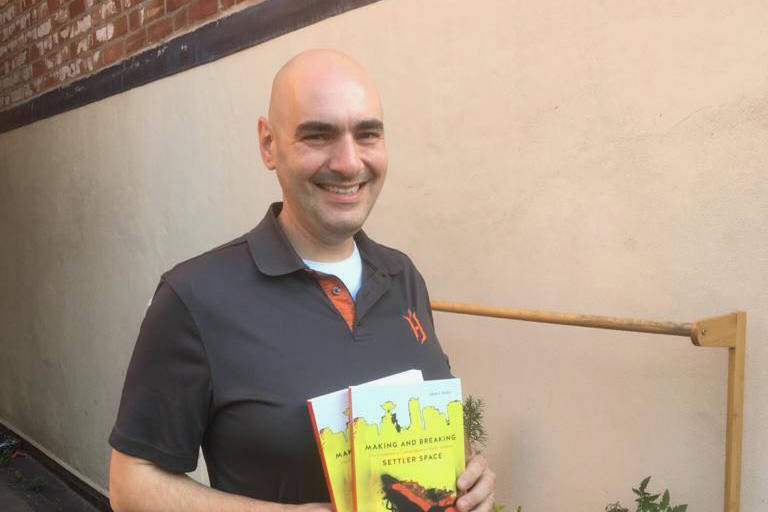
His research monograph, Making and Breaking Settler Space, was published by UBC Press in 2021, and has been called “comprehensive” and “innovative” (Prof Soren Larsen, University of Missouri).
Adam has taught at post-secondary institutions including Wilfrid Laurier University and Yellowhead Tribal College in Canada, and the University of Leicester and University of Hertfordshire in the UK. He is a steering committee member of the Institute for Commoning, has extensive experience at grassroots organizing on Indigenous-settler solidarity, and has presented at academic conference in Australia, Sweden, Ireland, France, and the USA, as well as Canada and the UK.

Qualification Highlights
Emma
Degrees
- PhD in Sociology, University of Warwick (UK)
- Masters in History, University of Victoria (Canada)
- HBASc, Arts & Science program with combined honours French Literature and a Minor in Biology, McMaster University (Canada)
Certifications
- Prince2 AGILE
- Fellowship, Advance HE (Higher Education)
Journals/Publications
Adam
Degrees
- PhD in Human Geography, University of Leicester (UK)
- Masters in Indigenous Governance, University of Victoria (Canada)
- HBASc, Arts and Science Program, with a minor in Indigenous Studies, McMaster University (Canada)
Certifications
- Fellowship, Advance HE (Higher Education)
- Certified in Doctoral Studies Supervision by Epigeum
Selected Publications
 Still in Motion